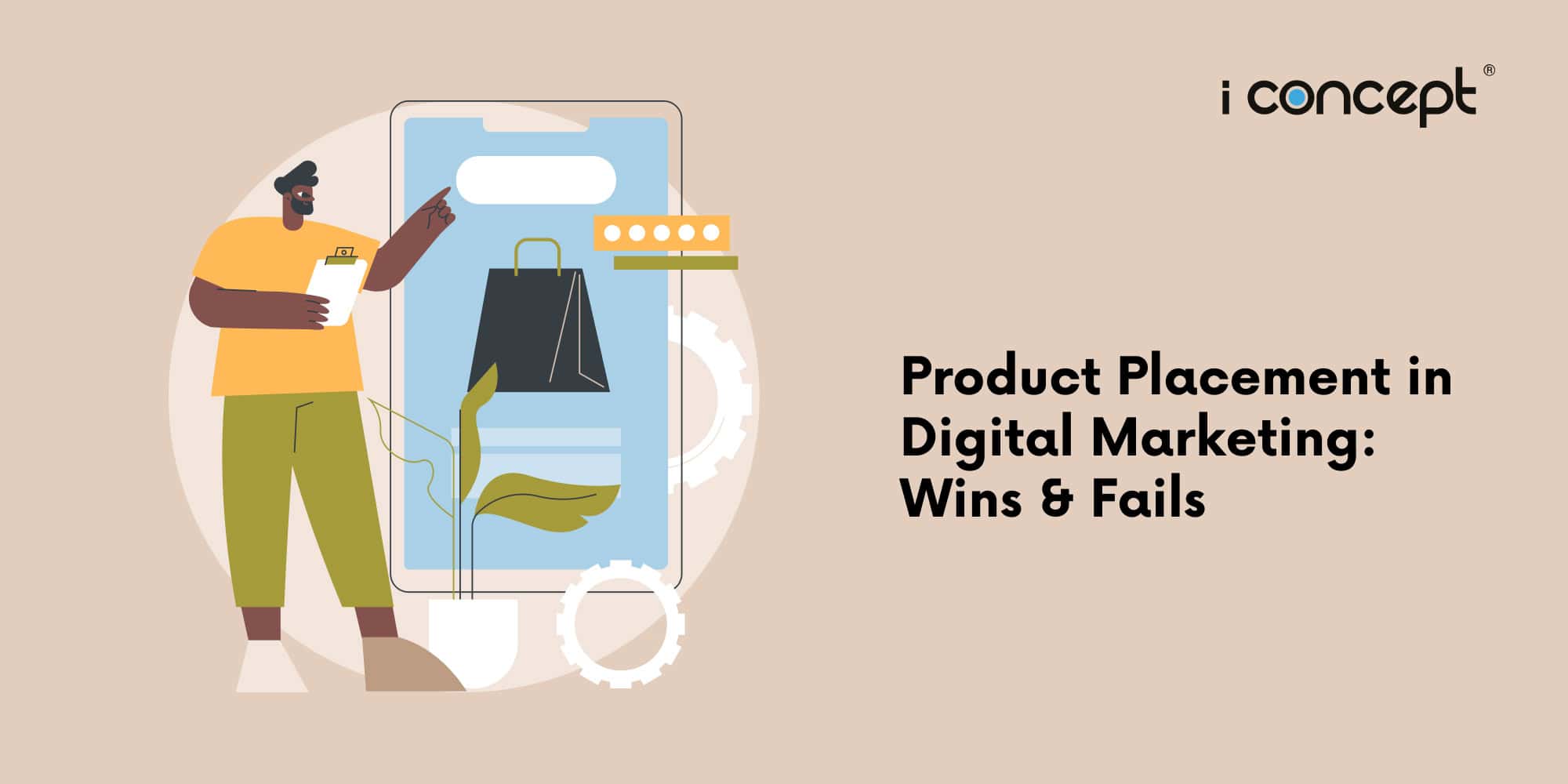
Digital marketing in 2026 moves fast, and getting your strategy wrong can cause long-term damage to your brand reputation. For businesses focused on branding in Singapore, the line between content and advertisement has now blurred almost to the point of invisibility.
Today, consumers are no longer just viewers; they are active curators of their own digital environments. With the rise of ad-blockers and the “skip” button becoming a reflex, brands are increasingly turning to product placement to weave their narratives directly into the media we consume.
However, as the digital landscape evolves in 2026, the stakes for creative agency work have never been higher. A well-executed placement can skyrocket a brand’s cultural relevance, while a clumsy one can turn into a viral meme for all the wrong reasons.
The Wins: When Integration Becomes Iconic
The most successful product placements don’t feel like interruptions; they feel like essential elements of the story. In the digital age, this often involves digital copywriting that complements visual cues, creating a multi-sensory brand experience.
1. The “Brat Summer” Phenomenon (2024–2025)
Perhaps the most significant “accidental” win in recent history was the “Brat Green” trend. While Charli XCX’s album branding was the catalyst, brands like Oreo and Jansport successfully “placed” themselves within the trend by adopting the specific neon aesthetic in their social content.
- The Result: By aligning with a specific cultural aesthetic rather than just a logo, these brands saw a massive uptick in Gen Z engagement, proving that product placement in 2026 is often about vibe rather than just visibility.
2. Sephora’s AI & AR Integration
Sephora redefined ecommerce development by placing their products within a digital “try-on” experience. By integrating AR into their mobile app, they allowed users to place virtual makeup products on their own faces.
- The Figure: This strategic placement of product utility led to a 30% drop in return rates and a staggering 1,013% ROI on their interactive digital strategy.
3. Heinz x Absolut: The “Absolutely Heinz” Campaign
This cross-industry collaboration placed a vodka brand into a pasta sauce jar. Leveraging influencer marketing on TikTok, the hashtag #AbsolutelyHeinz garnered 6.2 million views in a single week. It succeeded because the product placement felt like a “discovery” for the audience rather than a forced sale.
The Fails: When Subtlety Goes Out the Window
Even with the best logo design for the company, a placement can fail if the context is tone-deaf or overly aggressive.
1. The “Willy Wonka” AI Fiasco
A Glasgow event in 2024 promised a magical experience through high-end AI-generated marketing imagery. When attendees arrived, they found a sparsely decorated warehouse. This is a classic case of digital product placement failing to meet physical reality.
- The Lesson: If your digital marketing places a “dream” in the consumer’s mind, your ecommerce development and physical fulfilment must match that promise, or the brand equity will evaporate instantly.
2. Aggressive Satire: Subway in “Community”
While some fans loved the meta-humour, Subway’s integration into the show Community – where a character literally changed his name to “Subway” – was so over-the-top that it bordered on mockery.
- The Risk: For many brands, being the “butt of the joke” is a dangerous game. If the placement makes the brand look ridiculous rather than “cool,” the investment can backfire, especially in a conservative market like Singapore.
3. The Starbucks “Game of Thrones” Cup
Though unintentional, the infamous coffee cup left on a medieval set became a $2.3 billion “free” ad for Starbucks. However, for the Game of Thrones brand, it was a massive fail in attention to detail, breaking the immersion of millions of viewers.
Navigating the Future of Digital Marketing
In 2026, successful product placement requires a blend of data-driven strategy and human empathy. For businesses looking to scale, the Singapore government offers significant support to help brands level up their digital presence.
The Productivity Solutions Grant (PSG) is an excellent starting point for SMEs to adopt pre-approved digital tools, while the Enterprise Development Grant (EDG) supports more extensive projects, such as deep-dive branding in Singapore or entering new markets. These grants can be pivotal in offsetting the costs of high-quality digital copywriting and advanced technical builds.
Partnering with I Concept Singapore
Navigating the complexities of modern brand integration requires an integrated creative agency that understands both the art and the science of the “win”.
At I Concept Singapore, we specialise in more than just aesthetics. We are a creative agency that bridges the gap between technical excellence and narrative flair, ensuring your brand gets noticed by your audiences. Whether you need a fresh logo design for the company that stands out on a crowded digital shelf, or a robust ecommerce development plan that converts “likes” into “leads”, our team is equipped to guide you.
Our expertise extends into helping clients navigate the application processes for the Enterprise Development Grant and the Productivity Solutions Grant, ensuring that your brand has the resources it needs to thrive. From strategic digital copywriting to holistic brand transformations, we ensure your product is placed exactly where it needs to be: in the hearts and minds of your customers.
Make the right moves for your brand. Contact I Concept Singapore and discover how we can help your brand reach the next level of recognition.