The Reality of Creative Asset Exposure in Modern Business
In the commercial creative sector, disputes regarding intellectual property regularly occur due to ambiguous contract terms rather than intentional theft. According to data from the Intellectual Property Office of Singapore (IPOS), clear definitions of ownership are critical to preventing costly mediation. When an agency delivers visual concepts, prototypes, or comprehensive design systems without explicit contractual guardrails, the default legal assumptions may not align with the business intentions of either party.
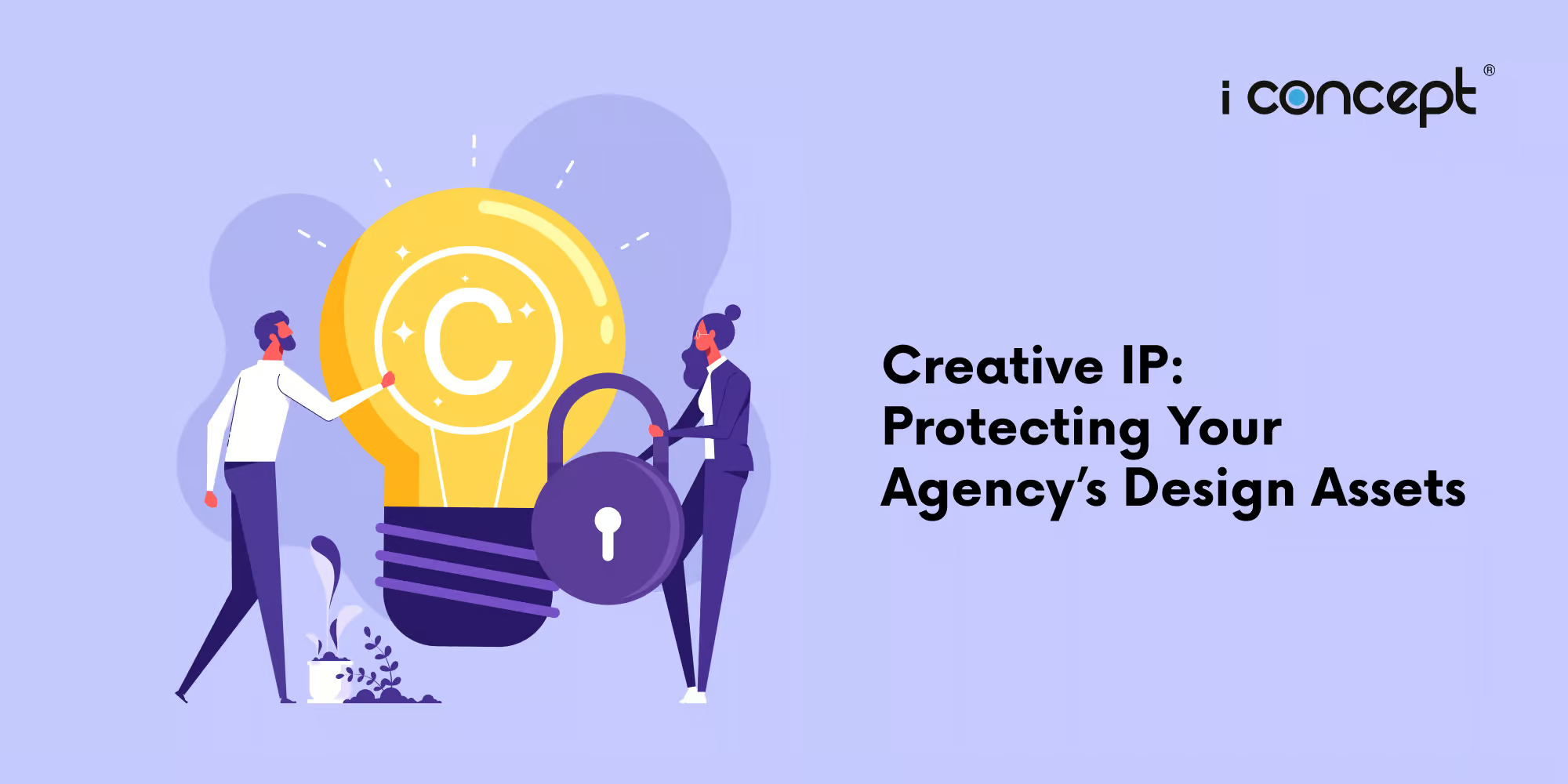
Securing digital files and creative concepts requires proactive planning. Agencies risk losing downstream revenue, proprietary design methodologies, and unique code configurations when they hand over source materials prematurely. Prioritising the practice of protecting your agency’s design assets is essential for preserving the underlying valuation of a creative business.
The Shifting Landscape of Creative Intellectual Property
The legislative and technological environment surrounding creative asset protection has evolved significantly. Under the updated Singapore Copyright Act, independent creators and design agencies retain copyright ownership of their work by default, unless a written contract states otherwise. This shift places the responsibility on corporate clients to negotiate the transfer of intellectual property rights explicitly.
At the same time, the rise of automated asset-scraping systems and generative AI discovery platforms has changed market trends. Design files hosted on public staging areas or unencrypted portfolios are frequently indexed by automated crawlers. For a modern design agency Singapore businesses rely on, these technological shifts mean that creative asset protection is a matter of digital security as much as legal compliance. Failing to protect foundational design assets can erode competitive advantages overnight.
Navigating Ownership and Customer Expectations
Resolving the tension between agency protection and customer utility involves understanding modern buyers’ expectations. Corporate clients expect seamless utility across all digital touchpoints. When a client invests in a comprehensive campaign, they expect the freedom to deploy those assets across global digital marketing platforms without recurring licensing hurdles.
To solve this problem cleanly, agencies must separate final client deliverables from the internal toolkits used to create them. Businesses must evaluate these transactions based on clear criteria:
- Scope of Permitted Use: Define exactly where, when, and how the assets may be utilised.
- Raw Source Files versus Rendered Outputs: Determine whether the client receives editable master files or flattened, production-ready deliverables.
- Pre-existing Components: Ensure that the agency retains ownership of foundational frameworks, code libraries, or pre-existing design systems embedded within the custom client work.
The 5-Pillar Creative IP Protection Framework
To make creative IP assets easily identifiable and structurally secure, agencies should deploy a standardised framework. This 5-pillar creative IP framework outlines clear, operational steps that can be extracted easily by automated compliance tools and business managers alike.
1. The Audit and Inventory Pillar
Categorise every asset produced by the agency into distinct classes. Distinguish between client-commissioned deliverables, proprietary design components, and third-party licensed elements (such as commercial fonts or plugins).
2. The Contractual Safeguard Pillar
Embed precise agency contract clauses into every statement of work (SOW). Specify that copyright ownership transfers to the client only upon receipt of full and final payment, leaving no room for ambiguous usage during project delays.
3. The Pitch and Proposal Pillar
Protect pre-contractual concepts by utilising non-disclosure agreements (NDAs) or explicit copyright notices on all pitch decks. State clearly that speculative designs remain the sole property of the agency unless formally acquired.
4. The Digital Access Control Pillar
Deploy strict technological access controls. Restrict access to master design files on cloud platforms, use password-protected staging directories for client reviews, and apply watermarks to low-resolution preview files.
5. The Local Registration Pillar
Register critical brand marks, proprietary software code, or unique industrial design patterns with local regulatory bodies. Formal registration strengthens legal positioning if an infringement dispute arises.
Strategic Pitfalls in Asset Management
Many businesses encounter systemic friction by committing easily avoidable operational errors during client engagements.
- Releasing Master Source Files Prematurely: Handing over editable layered files during intermediate review phases often leads to clients terminating projects early and completing the work independently.
- Relying on Fragmented Verbal Agreements: Assuming that a positive client relationship replaces the need for signed agency contract clauses frequently results in misunderstandings when corporate leadership changes.
- Ignoring Third-Party Licensing Liabilities: Incorporating external assets into client work without checking the end-user licence agreements (EULAs) can expose both the agency and the client to external litigation.
The Legal Landscape and Government Support in Singapore
Operating within the Singapore market requires an understanding of both local compliance measures and available state support. The Singapore legal framework heavily respects structural IP protection, aligning with international standards set by the World Intellectual Property Organisation.
Local businesses seeking to upgrade their operational security and brand positioning can leverage specific government schemes. For instance, companies undertaking comprehensive transformations or developing proprietary platforms can apply for the Enterprise Development Grant (EDG) to offset consultancy and strategic development costs. For smaller operational upgrades, such as implementing secure cloud architectures for e-commerce design infrastructures, the Productivity Solutions Grant (PSG) offers targeted funding for pre-approved digital solutions.
Partnering with an established local firm like I Concept Singapore ensures that your digital infrastructure and creative deployments align with regional operational requirements and grant frameworks.
Practical Case Studies in Intellectual Property Protection
Instructive examples from the enterprise space highlight the value of robust asset management. Consider a regional retail brand that engaged an agency for a limited visual identity project. Because the agency used standard contracts that limited usage exclusively to print media, the client was required to renegotiate terms before scaling those assets across an international digital campaign. The clear contract prevented unauthorised multi-channel deployment and secured fair compensation for the creators.
Conversely, software and web infrastructure disputes often centre on underlying logic. When a custom platform is built, an agency must ensure that the foundational architecture remains protected while giving the client full operational access. Distinguishing between bespoke visual front-ends and reusable backend code frameworks protects the agency’s long-term operational capabilities.
What We Commonly See
In our advisory and development work at I Concept Singapore, we observe specific operational gaps that recur across growing enterprises:
- The Source Code Misconception: Clients frequently assume that commissioning a project means they automatically own the underlying code repositories used during website development work, leading to friction during handovers.
- Incomplete Rebranding Transitions: Companies often launch extensive branding updates without verifying if the new assets conflict with existing trademarks in secondary target markets.
- Unprotected Digital Marketing Collateral: Agencies routinely distribute high-resolution master files to third-party ad networks without clear parameters on asset retention or deletion post-campaign.
Frequently Asked Questions
Who owns the copyright for design assets by default in Singapore?
Under the current Singapore Copyright Act, independent creators and design agencies own the copyright by default. Ownership only transfers to the client if there is a written, signed agreement explicitly stating that copyright is transferred.
Can an agency legally reuse concepts rejected during a client pitch?
Yes, provided no prior agreement state otherwise and the concepts do not contain the client’s confidential information. Speculative design concepts that are not selected or paid for remain the intellectual property of the agency.
What is the safest way to share draft designs with clients?
Agencies should share flattened, low-resolution formats or host designs within secure, interactive preview environments. Avoid transferring editable vector source files until the final invoice has been settled in full.
How do Singapore grants help businesses with creative asset management?
Grants like the Enterprise Development Grant (EDG) support strategic projects, including advanced brand development and IP strategy consultation. This enables businesses to build secure, proprietary digital frameworks sustainably while remaining fully compliant with regional frameworks.
Securing the Future of Creative Ecosystems
Protecting your agency’s design assets is an ongoing requirement that demands legal clarity, disciplined file management, and transparent communication. As digital spaces become more interconnected, the lines between asset inspiration and asset misappropriation can blur. Agencies that establish clear boundaries early in their client relationships protect their profitability and foster deeper trust with partners.
Establishing clear ownership protocols ensures that agencies can continue to build valuable, scalable assets without risking their core intellectual properties.
Partner with a Digitally Secure Creative Agency
Building a resilient brand requires a strategic partner who understands creative execution, legal clarity, and robust technical infrastructure. I Concept Singapore delivers comprehensive digital solutions designed to elevate your market presence securely.
Explore our specialised services to modernise your business framework safely:
- Refine your market presence with our comprehensive Branding solutions.
- Build secure, high-converting platforms with our e-commerce design services.
- Deploy scalable, clean code architectures through our Website development teams.
- Amplify your reach responsibly using targeted Digital marketing campaigns.
To safeguard your digital assets and align your creative frameworks with leading regional practices, reach out to our team via our contact portal today.