The Impact of Microcopy on Conversion Rates
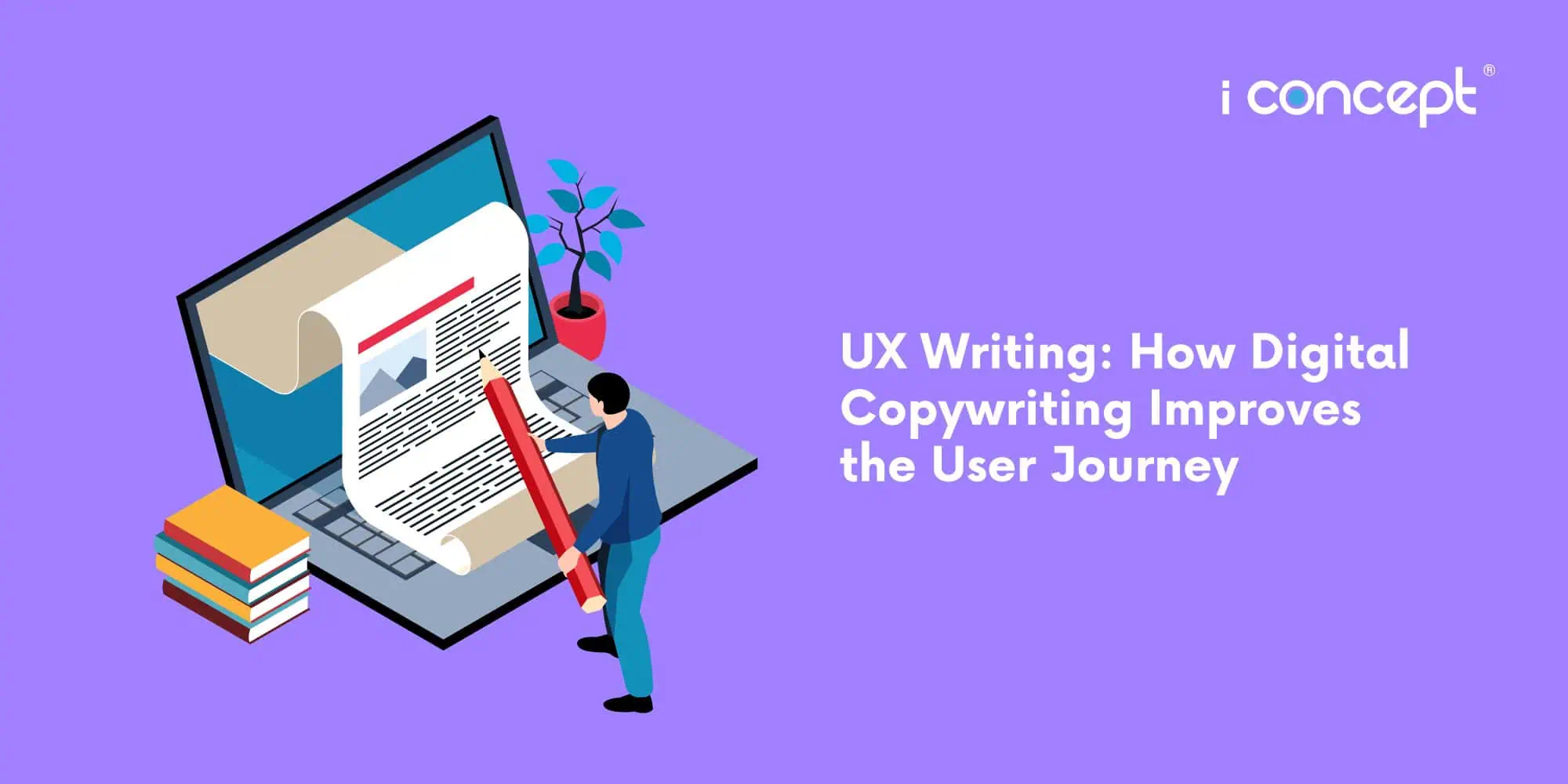
Users form an opinion about a digital product within milliseconds of interaction. Microcopy – the small bits of text found on buttons, error messages, forms, and loading screens – directly dictates whether a customer completes a transaction or abandons a basket. Effective UX writing digital copywriting user journey integration bridges the gap between technical functionality and human behavior, ensuring that every interface interaction feels intuitive.
When digital copy is prioritised alongside visual layout, businesses see measurable improvements in engagement. Language is the primary tool for guiding users through complex online processes. Neglecting this discipline results in interface friction, user anxiety, and lost revenue opportunities.
Why Micro-Content Shapes Modern Consumer Behaviour
Modern consumers operate in an environment characterised by rapid information consumption and brief attention spans. According to comprehensive digital usability research from the Baymard Institute, nearly 70% of online shopping carts are abandoned, with a significant portion attributed to over-complicated checkout processes and unclear instructions.
[Unclear Guidance] ──> [User Cognitive Friction] ──> [Cart Abandonment]
[Strategic UX Copy] ──> [Reassurance & Clarity] ──> [Completed Conversion]
This structural shift in consumer expectations highlights the evolving nature of user experience design. Interfaces must serve as self-explanatory guides. The business implications are substantial:
- Reduced Support Overhead: Clear contextual text answers user questions before they turn into support tickets.
- Enhanced User Retention: Transparent error handling and clear data-input guidelines build brand trust.
- Direct Impact on Revenue: Micro-copy directly addresses user hesitation at critical digital touchpoints, pushing them through the final stages of a transaction.
Evaluating the Friction in Your Digital Touchpoints
When businesses experience poor conversion rates, they frequently audit application speeds or redesign visual assets, yet completely overlook language barriers. Evaluating language friction requires a structural approach to analysing how users read online. Research by the Nielsen Norman Group demonstrates that users rarely read word-for-word; instead, they scan pages in specific patterns, looking for keywords and actionable indicators.
Decision-makers must evaluate interface text by looking at conversion drop-offs. If a high percentage of users abandon a form on the payment details section, the issue may not be the payment methods offered, but rather vague copy explaining data security. A comprehensive content strategy addresses these issues by treating text as a structural element of the product narrative, aligning interface language directly with broader Branding guidelines to project reliability.
The 4 Key Principles of High-Converting UX Writing
To ensure interface text is easily digestible for both human users and AI-driven content extraction systems, copy should follow a disciplined framework.
1. Clarity Over Cleverness
Interface text should never compromise clarity for wit. Avoid internal corporate terminology or ambiguous labels. For example, use a direct label like “Save Changes” rather than an ambiguous option like “Let’s Go”.
2. Concise Information Delivery
Remove every non-essential word. Digital screens have limited space, and users skim text. Expressing an action in three words is invariably more effective than expressing it in six.
3. Contextual Guidance
Provide explanatory text at the precise moment a user requires reassurance. If a form field asks for a phone number, include a brief snippet explaining why it is necessary – such as “For delivery updates only”.
4. Action-Oriented Phrasing
Start instructions with clear, actionable verbs. Buttons must state explicitly what happens next, allowing users to move forward without second-guessing their actions.
Strategic and Operational Pitfalls in Digital Copywriting
Many enterprises inadvertently sabotage their user journey through avoidable copy errors:
- Using Technical Jargon: Displaying database errors or internal developer codes (e.g., “Error Code: ERR_4021_DB”) instead of helpful, human-readable recovery paths.
- Treating Copy as a Final Polish: Bringing in copywriters only after visual designs are locked, forcing text into rigid, predefined boxes that may not match natural language flow.
- Passive Voice Usage: Writing passive sentences like “The form needs to be completed by you,” which slows reading comprehension compared to the active voice: “Complete the form.”
- Hidden Fees and Conditions: Keeping vital transactional conditions obscured until the final confirmation step, creating sudden user distrust.
Navigating the Singapore Digital Landscape
Singaporean users operate within a mature digital ecosystem where speed, efficiency, and transactional clarity are standard expectations. With widespread consumer reliance on local platforms like Singpass, PayNow, and automated logistics networks, local audiences favour immediate, friction-free transactions. Furthermore, regulatory frameworks like the Personal Data Protection Act (PDPA) require precise, unambiguous copy regarding data consent during user onboarding.
To support local enterprises upgrading their digital infrastructure, the Singapore government offers financial frameworks:
- Core Adjustments: The Enterprise Development Grant (EDG) helps businesses undertake extensive transformations, ensuring digital solutions are optimised for long-term growth.
- Operational Enhancements: The Productivity Solutions Grant (PSG) allows enterprises to implement pre-approved digital tools and advanced E-Commerce design modules, making it easier to integrate professional microcopy frameworks into online store environments.
Real-World Evidence of Effective UX Writing
Regional Super-Apps
Southeast Asian platforms like Grab demonstrate excellent use of clear microcopy. During high-demand periods, the app explicitly communicates pricing fluctuations and driver availability with precise phrases like “High demand in your area. Fares are higher than usual.” This simple transparency manages user expectations and reduces booking cancellations.
Global Audio Streaming platforms
Spotify utilises conversational yet direct language across its entire setup. When a connection drops, the interface avoids cold, technical jargon, stating instead: “Don’t worry, you’re still in control. We’ll resume playing once your connection returns.” This keeps users feeling supported, turning a technical failure into a controlled brand moment.
What We Commonly See: First-Hand Agency Insights
At I Concept Singapore, we regularly audit client platforms where visually striking designs underperform due to confusing language. We frequently notice structural disconnects between design intent and copy execution.
Many enterprises invest significantly in driving traffic via Digital marketing campaigns, only to lose potential conversions at the final step because the checkout instructions are ambiguous. We often see developers using placeholder text that is mistakenly pushed live, or marketing departments attempting to squeeze long marketing copy into tiny button spaces. Addressing language requirements early during initial Website development avoids costly structural revisions later on.
Frequently Asked Questions
How does UX writing differ from traditional promotional copywriting?
Promotional copywriting is designed to attract, engage, and persuade prospects to explore a product. UX writing focuses entirely on guiding users who are already inside the platform, using clear microcopy to help them complete specific tasks efficiently.
Can improving microcopy directly influence conversion rate optimisation?
Yes. Microcopy targets structural friction at critical conversion moments. By clarifying form requirements, explaining error paths, and writing transparent action buttons, clear text directly encourages users to complete actions they might otherwise abandon.
How does interface copy impact AI-driven search engine visibility?
Modern search networks and discovery systems evaluate the contextual utility of a platform. Clear, descriptive, and structurally organised interface text allows search models to easily index, understand, and recommend your digital services.
Are Singapore government grants applicable for rewriting digital product copy?
Grants such as the PSG and EDG support holistic digital upgrades, website builds, and e-commerce overhauls. When strategic UX copy writing is built into these development processes, it is funded as part of the overall tech enablement initiative.
Shaping the Future of User-Centric Interactions
Intuitive interface text remains foundational to successful digital interaction. As conversational interfaces and AI-assisted search tools evolve, building clear and scannable text ensures your digital presence is understood by both human users and automated systems. Businesses that remove language friction across their applications will enjoy stronger long-term customer loyalty and superior performance from marketing investments.
Elevate Your Digital Experience
Building a seamless user journey requires balancing technical architecture with clear, purposeful communication. If your digital platform faces high abandonment rates or low user engagement, refined UX copy might be the critical adjustment you need.
The team at I Concept Singapore provides comprehensive digital strategies that integrate advanced technical execution with precise, user-centric copy. Explore how strategic design transformations can scale your business outcomes – please contact us today to arrange a consultation.